Beyond the Grave: How Open-World Games Turn the Afterlife into a Playground
Explore the afterlife in video games with inventive spins and cosmic humor, from Assassin's Creed Valhalla to Saints Row: Gat Out of Hell.
Let's be real, when most folks think about the afterlife, they're not exactly picturing a fun weekend activity. It's usually heavy stuff—judgment, pearly gates, maybe some fiery pits if you really messed up. But as a professional game enjoyer, I've come to appreciate how some developers have taken this cosmic bummer and turned it into the ultimate sandbox. Forget escaping from reality; these games let you escape into the great beyond itself, and let me tell you, the real estate is surprisingly varied. Some treat it with the solemnity of a cathedral, while others treat it like a cosmic joke written by a stand-up comedian who just discovered philosophy. It's a theme that's as flexible as a rubber band in a zero-gravity chamber, and in 2026, we've seen some truly inventive spins on what happens after the credits roll on life.
Assassin's Creed Valhalla: When Your Trip to Heaven is Just Glitchy Ancient Tech
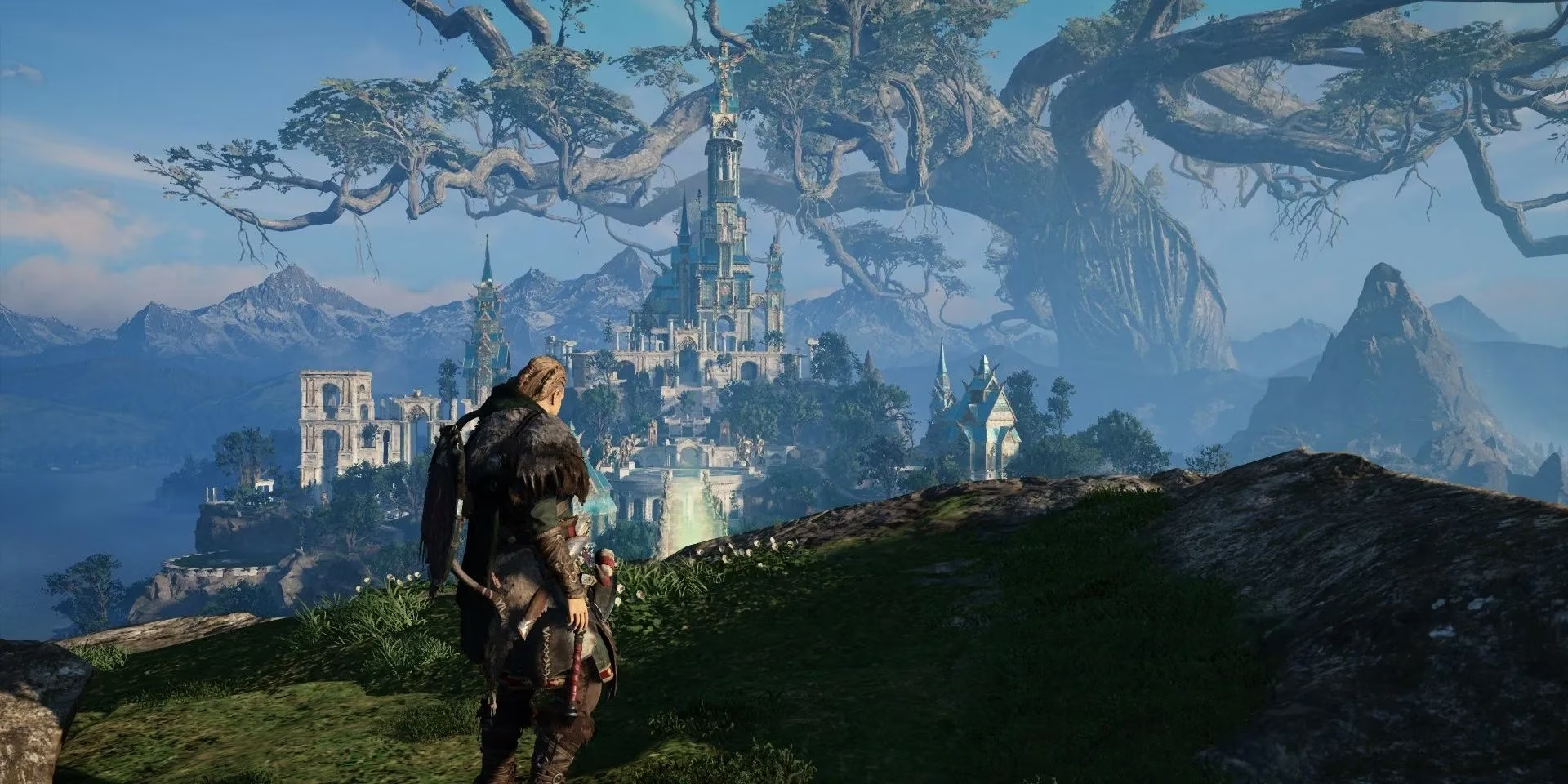
Talking about Assassin's Creed Valhalla being "too huge" is like saying the ocean is a bit damp. The base game is a sprawling feast of Viking-era England, but the devs clearly thought, "You know what this needs? A metaphysical detour." So, they handed Eivor some potent Viking hallucinogens and said, "Go visit the neighbors in Asgard." What follows is a journey through Norse myth that's less about spiritual enlightenment and more about untangling a conspiracy older than time. The twist? These divine realms aren't really divine at all. They're essentially the world's earliest, most bug-ridden Animus simulation. Finding out that Odin, Thor, and the gang are just glitchy data files in a prehistoric computer is like discovering your favorite epic poem was actually written by a malfunctioning AI. It's a narrative choice that makes the whole cosmology feel like a beautifully painted set propped up with duct tape and hope. The quests grapple with fate versus free will, but the real theme feels like the existential dread of realizing your entire belief system is just someone else's outdated software.
Saints Row: Gat Out of Hell: Hell is Just Detroit with Better PR
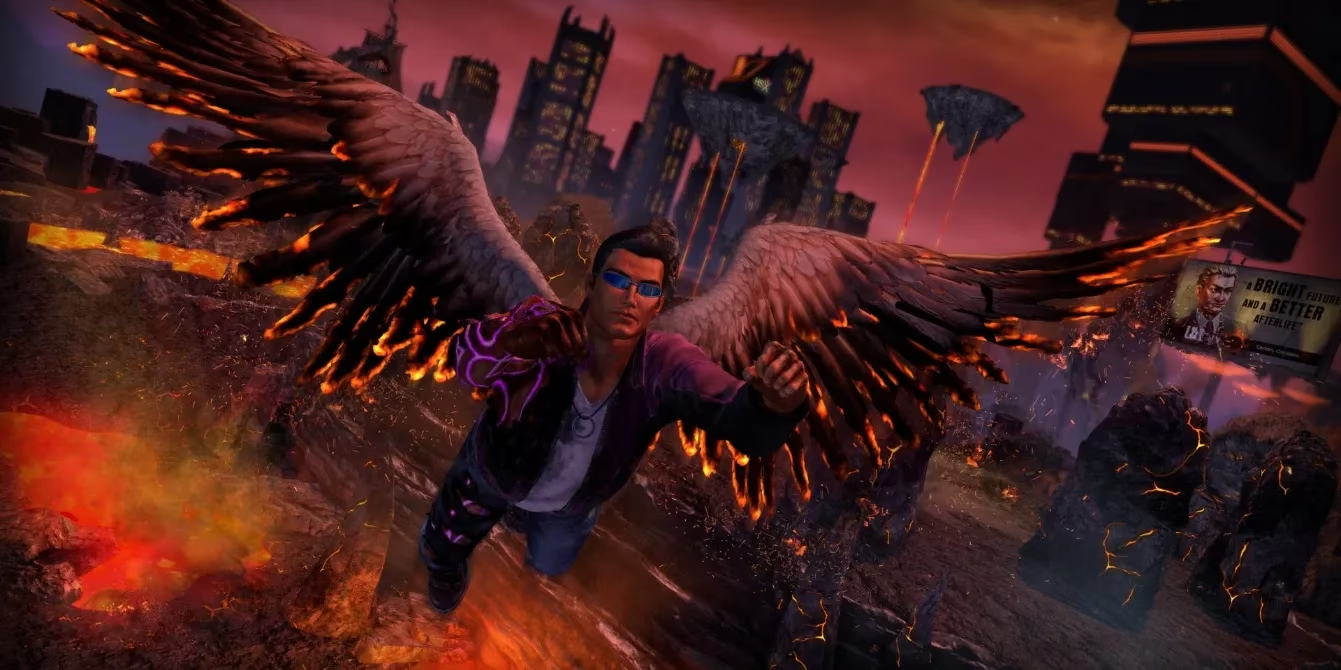
If Valhalla approaches the afterlife with a somber, tech-bro seriousness, Saints Row: Gat Out of Hell is the game that crashes the funeral wearing a neon thong and firing a dubstep gun. The premise is gloriously stupid: Satan wants to marry off his daughter, so he kidnaps your boss. Your response? Go to Hell and shoot him in the face. Obviously. What you find there, however, is the game's masterstroke. New Hades isn't a pit of eternal torment; it's just... a city. It has traffic, bureaucracy, and residents like Blackbeard and Shakespeare complaining about property taxes. It's the ultimate demystification, turning the underworld into a cosmic suburbia that's about as terrifying as a poorly run DMV. The punchline? When you finally beat the Devil, God Himself shows up and offers Johnny Gat a wish as a reward for what is essentially a celestial gang hit. The choices—rule Hell, go to Heaven, etc.—are presented with all the gravitas of choosing a topping at a frozen yogurt shop. The whole game is a spit-take aimed at religious solemnity, proving that in the right hands, the afterlife can be as profound as a whoopee cushion at a board meeting.
Kena: Bridge of Spirits: Ghost Therapy in a Haunted Forest
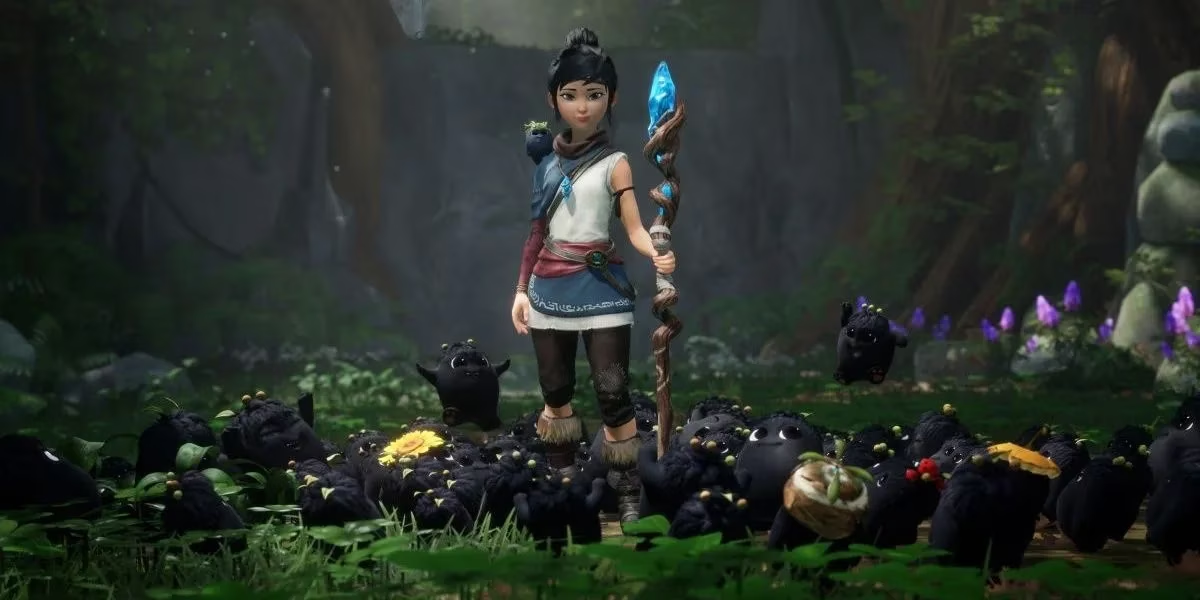
After the bombast of Saints Row, Kena: Bridge of Spirits feels like a warm, soothing cup of tea for the soul. Here, the afterlife isn't a place you conquer or ridicule; it's a process you facilitate. Kena is a spirit guide, a supernatural therapist whose job is to help ghosts with their unfinished business. The spirit realm is a gorgeous, melancholy forest, and each lingering soul is a puzzle box of regret, anger, or sorrow. The gameplay loop is simple but powerful: find a troubled spirit, understand their pain (often involving the adorable, fuzzy Rot creatures), and help them find peace so they can move on. It turns the afterlife into a narrative engine for poignant, personal stories. The Rot God's influence, channeled through Kena and her little companions, is a beautiful metaphor for how healing emotional wounds can literally reshape the world around you. Playing it feels less like an action-adventure and more like performing spiritual acupuncture on a haunted landscape.
Cyberpunk 2077: Digital Heaven for the 1%
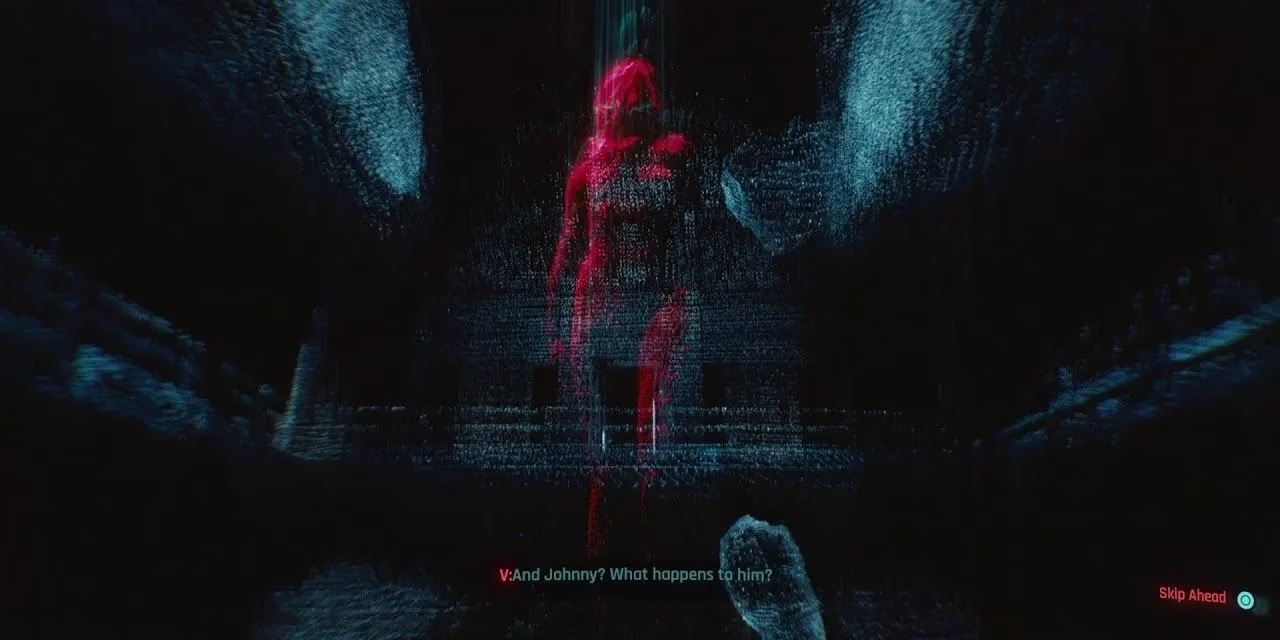
Night City's take on immortality is the most chillingly plausible. In Cyberpunk 2077, the afterlife isn't a reward; it's a service. For the ultra-wealthy, corporations like Arasaka offer "Secure Your Soul," a program that digitizes your consciousness and uploads it to a server farm called Mikoshi. It's a Buddhist shrine reimagined as a corporate data fortress—a digital afterlife where your soul is a line of code owned by a megacorp. The catch? The process kills the original you. Your "soul" ascends to this higher plane, but the you that lived and breathed is just... gone. It's immortality as a product, and the implications are as cold as a server rack. Mikoshi is less a paradise and more a gilded cage in the cloud, a haunting reminder that in a capitalist dystopia, even transcendence has a price tag and an End User License Agreement. It makes you wonder if digital heaven is just eternal life as a subscription service you can't cancel.
Tak and the Power of Juju: When Your Gods are Cosmic Idiots
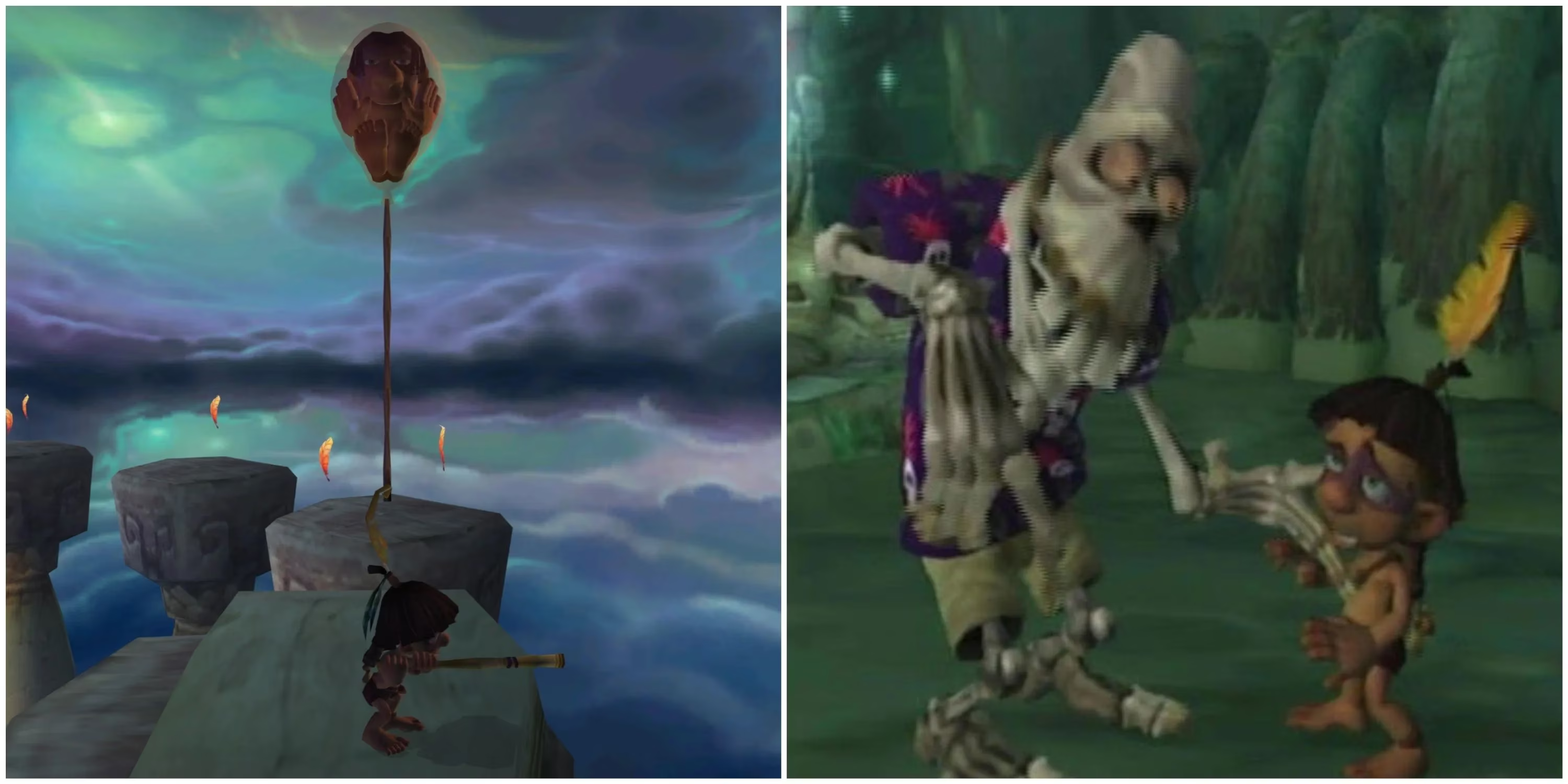
And then, at the far end of the spectrum, we have Tak and the Power of Juju. This game looks at deep spiritual concepts and responds with a hearty fart noise. The villagers worship the Juju spirits, elemental forces of nature. The prophecy says a great shaman will commune with them. The reality? The Jujus are a bunch of petty, moronic beings who give our pint-sized hero chores like he's their eternal intern. Tak only goes to the spirit realm because the village's "real" hero was killed by sheep. The entire spiritual journey is played for laughs, turning divine communion into a series of absurd fetch quests for deities who have the collective wisdom of a bag of wet hair. It's a brilliant satire of "Chosen One" narratives, asking the obvious question no other game dares: What if the gods you worship are just incompetent jerks?
The Afterlife as the Ultimate Open-World Frontier
So, what have we learned from vacationing in the great beyond? The afterlife in games is less a fixed destination and more a narrative playground, a blank canvas where developers can project our deepest fears, wildest satires, and most poignant hopes. It can be:
-
A Glitchy Simulation (Valhalla)
-
A Cosmic Joke (Saints Row)
-
A Therapeutic Landscape (Kena)
-
A Corporate Product (Cyberpunk 2077)
-
A Realm of Divine Incompetence (Tak)
Exploring these realms is like being a tourist in the collective unconscious of game designers. Some trips are profound, some are ridiculous, but they all force us to engage with the big questions—what we believe, what we fear, and what we think comes next—even if that answer is just more side quests. In 2026, as these worlds become ever more immersive, one thing's for sure: dying in a video game has never been more interesting. Now, if you'll excuse me, I have an appointment in New Hades. I hear the property taxes are hellish. 😉