Cyberpunk 2077's Second Conflict: Denny vs. Henry, The Ultimate Samurai Showdown
Cyberpunk 2077's Second Conflict quest offers players a dramatic, choice-driven reunion with Samurai, blending impactful decisions and vivid storytelling.
In the neon-drenched, morally ambiguous sprawl of Night City, V often finds themselves playing mediator for the most dysfunctional of rockstar reunions. Enter the side gig "Second Conflict," a delightful slice of drama where our favorite mercenary gets to decide which washed-up member of the legendary band Samurai gets to grace the stage one more time. Is it the fabulously wealthy, slightly controlling Denny? Or the troubled, cement-pool-filling wild card, Henry? While this choice won't determine the fate of the Free State or trigger a corporate war, it's a masterclass in how Cyberpunk 2077 turns minor squabbles into surprisingly poignant character moments. For Johnny Silverhand's ghost riding shotgun in V's head, it's a blast from a past he'd probably rather forget, filled with egos, grudges, and questionable life choices.

Before V can even think about picking sides in this rock 'n' roll feud, the game reminds them that actions have consequences—sometimes silly, sometimes violent. The cast of characters you meet during "Second Conflict" is directly tied to your actions in the earlier main quest, "The Pickup." Remember that whole mess with the Militech bot and the Maelstrom gang? Yeah, that comes back to haunt you, or help you, depending on how you played it.
-
Saved Brick? Congrats! You've got a (relatively) friendly face leading the Maelstrom gangoons. They'll grudgingly escort you to Denny's mansion without too much fuss. It's almost polite, by Night City standards.
-
Let Brick fry or sided with Patricia? Well, buckle up, choom. Patricia holds one heck of a grudge. Any interaction with Maelstrom is now guaranteed to end in a hail of bullets and chrome. Trying to complete "Second Conflict" means you'll be fighting your way out of their hideout after the meeting. It's the game's way of saying, "Hey, you made your bed full of psycho Maelstrom members, now you get to lie in it—while dodging gunfire."
It's a neat, if brutal, bit of cause and effect. The quest itself doesn't change, but the journey there sure does. One path is a tense diplomatic mission; the other is a glorified shooting gallery. Choose wisely, or at least, choose while well-armed.
Once you finally arrive at Denny's obscenely lavish pad, the core conflict is laid bare. On one side of the (now cement-filled) pool, you have Denny. Famous, rich, and according to the whispers, a bit of a control freak who sees the Samurai reunion as just another payday. On the other side, Henry. A walking disaster area, a drunk, a man whose brain is allegedly "fried" from years of chem-use, but who speaks about the gig with a desperate, almost pathetic yearning. He doesn't just want to play; he needs it. For redemption, for a scrap of his lost youth, for a second chance he probably doesn't deserve.
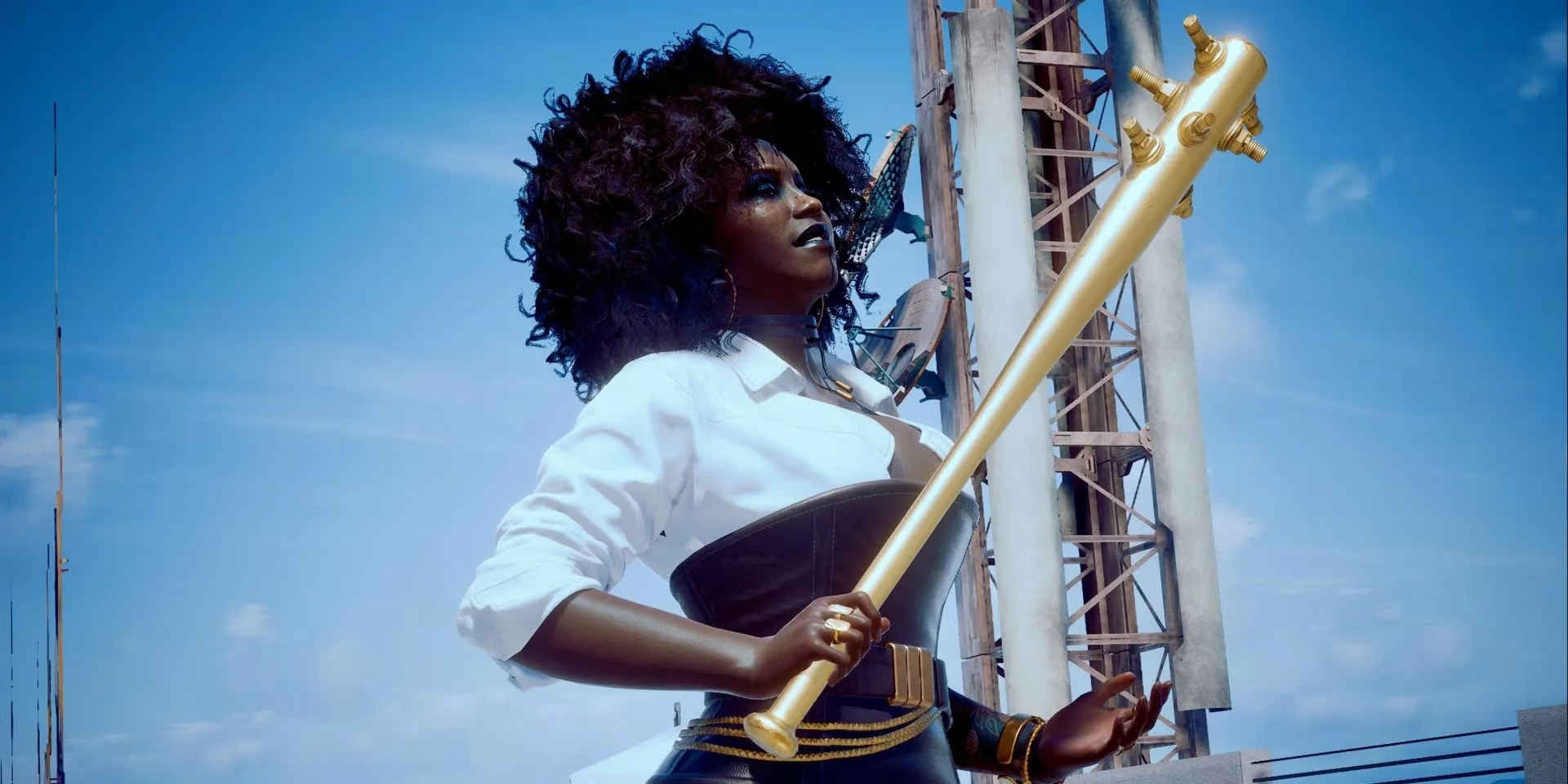
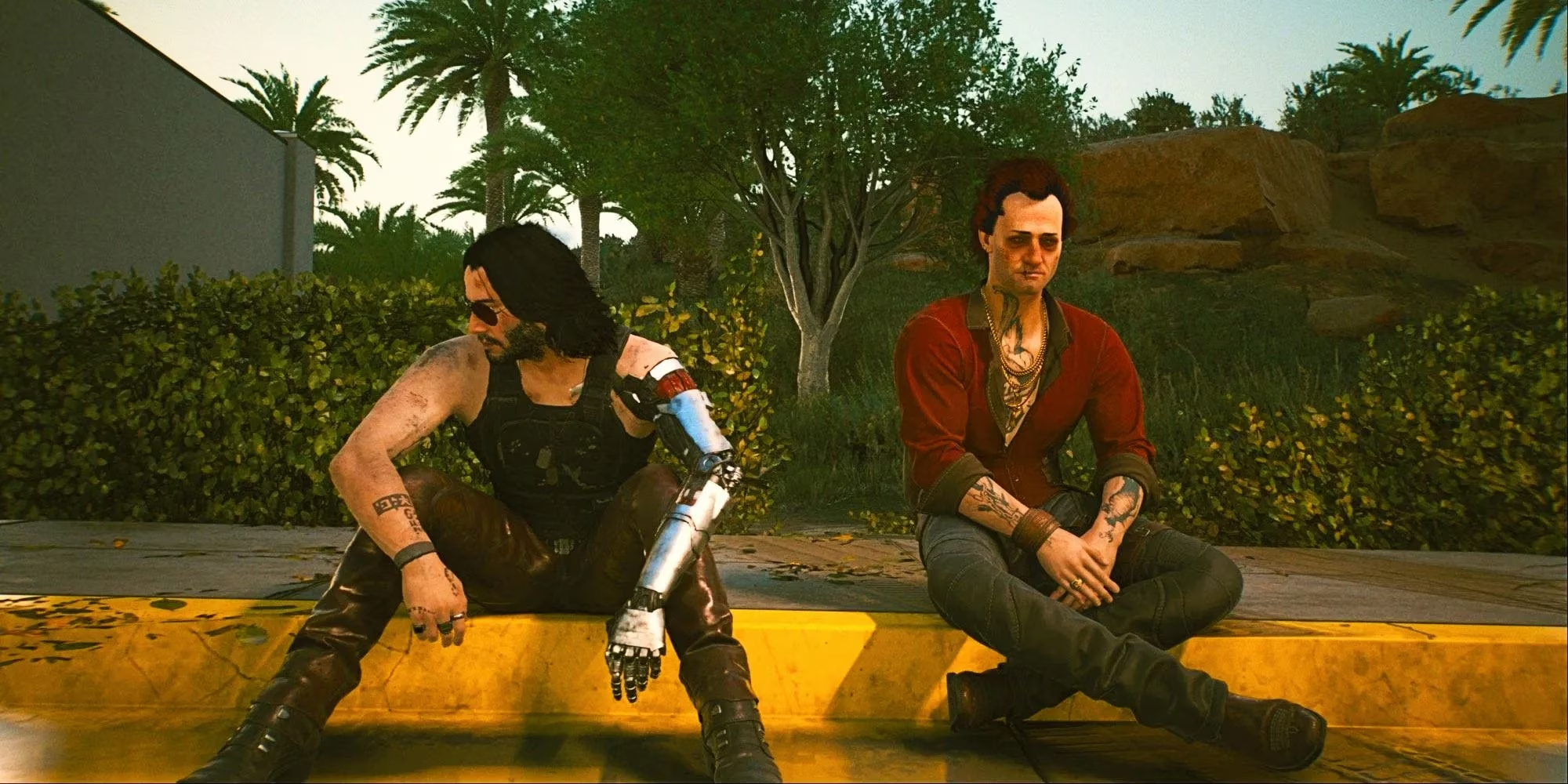
So, what happens when you pick the famous rockstar? If V sides with Denny, the drama concludes with a satisfying plop. She accepts, gives a smug look to Henry, and then—in a fit of pique—hurls her prized Gold-Plated Baseball Bat into her pool. The conflict ends, Denny gets the gig, and V gets a free, iconic-tier melee weapon (just fish it out of the water!). It's a clean, efficient resolution. Denny's on stage later, the show goes fine, and everyone moves on. Well, almost everyone. If you take a moment to leave the mansion, you'll find a dejected Henry sitting on the curb outside, a picture of shattered dreams.
This is where Johnny Silverhand, ever the specter of rockerboy past, decides to make a quiet cameo. He materializes and just... sits next to Henry. No words are exchanged. They just share a moment of silent, understanding misery. It's a bizarrely touching scene that says more about Johnny's lingering connection to his old bandmates than any rant about corporations ever could.
Now, let's talk about choosing the underdog. Picking Henry plays out almost identically in terms of gameplay. Denny still throws her tantrum (and her bat), so you still get that sweet iconic weapon. The key difference is emotional. Henry's gratitude is palpable. For him, this isn't a gig; it's a lifeline. While Denny performs out of obligation or vanity, Henry plays like a man possessed, pouring every ounce of his regret and hope into his music. At the concert, you'll see him on that stage, lost in the moment, finally where he feels he belongs.
But why is the pool full of cement? Ah, the million-eddie question. If you ask Johnny for his two cents amid the arguing, he'll cut through the noise with his typical cynical insight. He's annoyed by both of them, but he notes Denny probably doesn't actually care about the pool. The cement is Henry's immature, wildly expensive retaliation for a deeper wound. Turns out, in his darkest hour, Henry turned to Denny for help. And she turned him away. The filled pool is his petty, concrete monument to that betrayal. It's not an excuse for his behavior, as Johnny is quick to point out, but it is an explanation. It adds layers to what initially seems like a simple clash of egos.
| Choice | Primary Outcome | Key Reward | Emotional Beat |
|---|---|---|---|
| Side with Denny | Denny plays the reunion. | Gold-Plated Baseball Bat (Iconic Melee). | Johnny's silent sit-down with a defeated Henry. |
| Side with Henry | Henry plays the reunion. | Gold-Plated Baseball Bat (Iconic Melee). | Henry's passionate, redemptive performance. |
So, who should you pick? If you're optimizing for narrative payoff and character depth, Henry is the more compelling choice. The gig objectively means more to him. It's his shot at closure. Denny will be fine; her mansion and fame aren't going anywhere. Henry's entire demeanor shifts from chaotic liability to focused artist when given the chance. You're not just picking a guitarist; you're throwing a drowning man a rope.
Ultimately, "Second Conflict" is a masterpiece of small-scale storytelling. No cities burn, no empires fall. But for a moment, you hold the fate of two flawed people's dreams in your hands. It's a reminder that in Night City, amidst all the chrome and chaos, the most human conflicts are often the quietest—and sometimes, they're settled not with a gun, but by deciding who gets to play a really loud guitar solo.