From Broken Promise to Butter-Smooth Dream: A Gamer's Redemption Arc in Cyberpunk 2077's Night City
Cyberpunk 2077's 2.0 update transforms its broken launch into a polished, genre-defining masterpiece, where the 'lowlife and high tech' critique finally sings.
The memory of a broken promise hangs heavy in the digital air of 2026, a ghost of a launch day disaster. Once, a player swore an oath, a solemn vow etched in the frustration of a stuttering, unplayable mess. They had ventured into Night City with a heart full of anticipation, only to be met by a slideshow of disappointment. Their powerful PC, a machine of considerable might, buckled under the weight of a city that refused to run cleanly. Framerate was a distant dream, cutscenes a chore for the eyes, and a pivotal car chase sequence became an exercise in impossible lag, where enemies teleported through time and space, mocking the very concept of single-player stability. The game was uninstalled, cast aside, labeled a failure. Yet, in the ever-evolving landscape of gaming, time and relentless patches have a way of weaving redemption stories. The siren call of 'Cyberpunk 2.0' and the sprawling Phantom Liberty expansion proved too potent to ignore. A professional curiosity, a well-timed sale on a console storefront, and a comfy sofa beckoned. The oath was broken, the game reinstalled. And this time, Night City did not stutter. It sang.
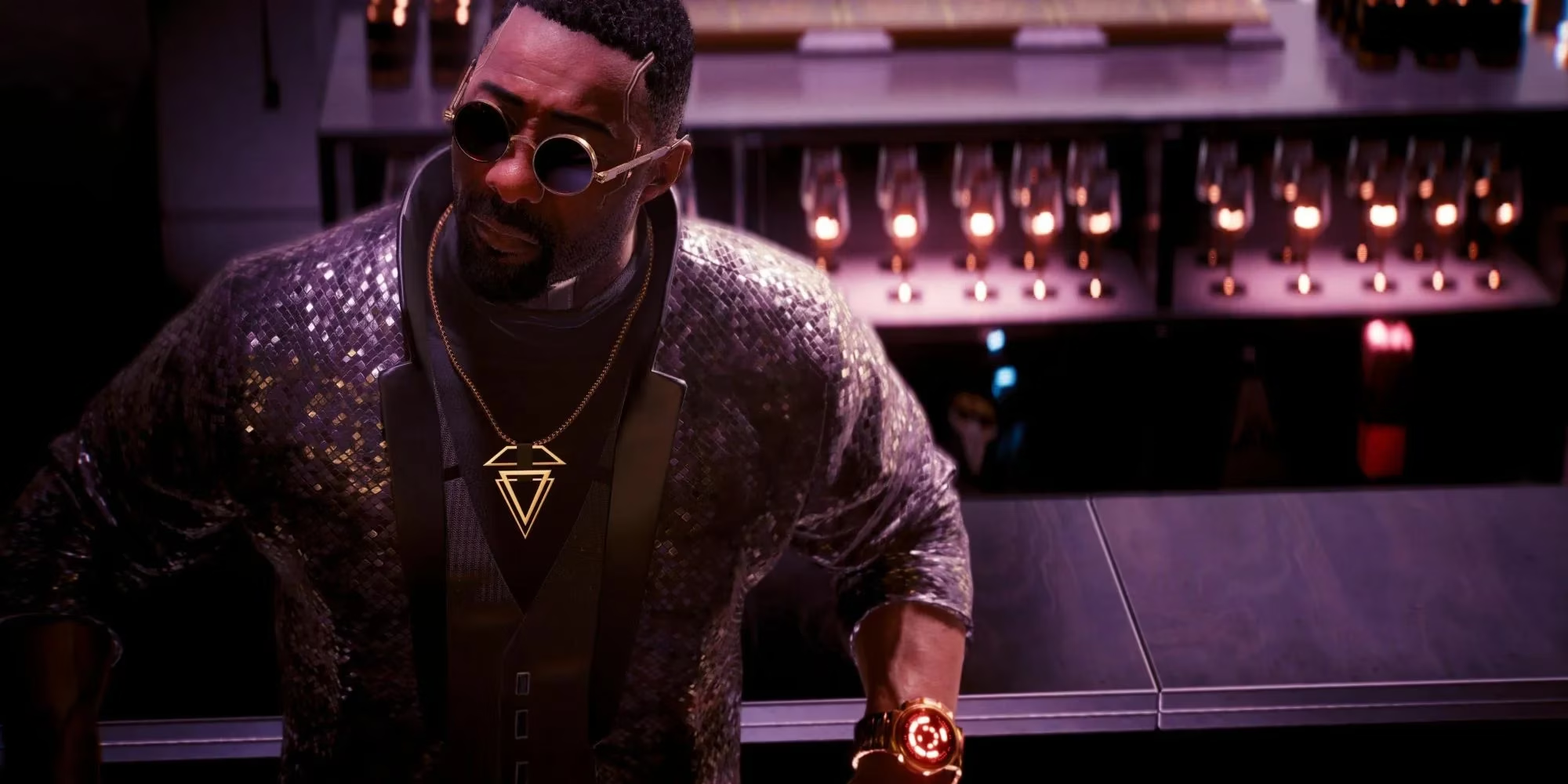
This second chance was not merely a technical fix; it was a fundamental rebirth of experience. Where once the opening missions were a gauntlet of visual trauma, they now flowed with a silken, butter-smooth grace. The ability to simply watch a cutscene became a revolutionary act, a luxury previously denied. The player could finally engage with the narrative spine of the world, a spine they had previously fractured to save their own sanity. The infamous ambush, that James Bond-esque car chase that had been a laggy nightmare, unfolded with clarity. Each shot landed with intention, each enemy fell without digital trickery. The game, at long last, functioned. And in functioning, it revealed its soul.
What emerged from the polished code was the true essence of the cyberpunk genre, the 'lowlife and high tech' alchemy famously described by Bruce Sterling. It was no longer just a backdrop of neon and chrome; it was a living, breathing critique. The player witnessed the arrival of the Trauma Team, not as a stop-motion parody, but as a terrifying, awe-inspiring spectacle of capitalist might.
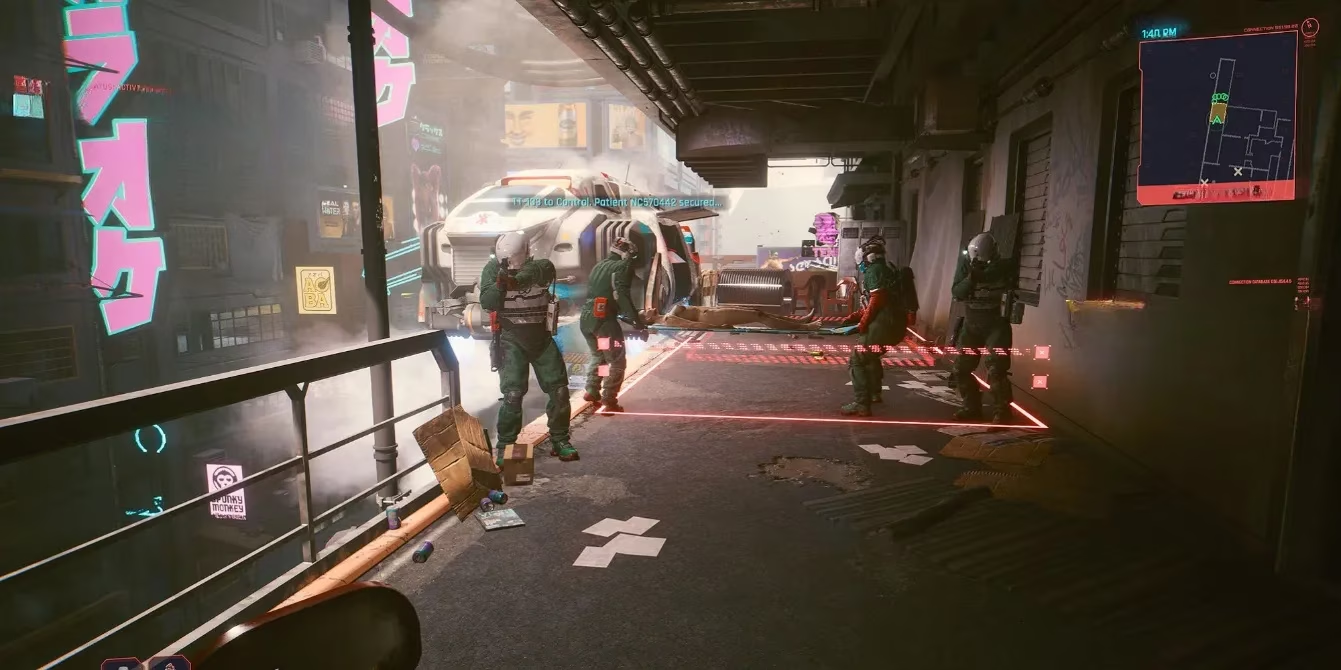
This single moment crystallized everything the genre promised: a militarized, subscription-based healthcare system descending from the sky, rifles at the ready, not for the patient, but for the platinum-tier insurance policy. The narrative shifted from a personal vendetta about a rockstar's digital ghost to something far more potent and relatable. The player began to ask questions that resonated in 2026:
-
What tier of insurance does V, the protagonist, even have?
-
How does a Night City citizen with a Bronze plan survive a medical emergency, both financially and physically, while waiting for a response that may never come?
-
Is this hyper-capitalist dystopia a warning, an exaggeration, or a logical endpoint?
This perspective transformed the playthrough. The player was no longer a tourist enduring bugs; they became an investigator rooting for the game to succeed, to delve deep into these systemic horrors. They craved the chance to talk to the people crushed by this world, to be given agency—to help, to exploit, or to dismantle. The game's mechanics of combat and driving, once judged as merely 'alright', now served a greater purpose: they were the tools for navigating and potentially challenging this oppressive reality.
The journey of this game, from its infamous launch to its polished 2026 state, is a complex narrative in itself. The sins of the past—the overhyped marketing, the unplayable console versions, the harmful tropes—are not erased by a functional game years later. That history remains a stark lesson in the industry. Yet, standing in the present, the player can finally engage with the experience CD Projekt Red intended. It is not the world-altering revolution once promised, but it has matured into a compelling and thoughtful RPG that understands its genre's core mandate: to hold a black mirror up to our own society's trajectory.
The redemption is twofold: the game was redeemed by the relentless work of its developers, and the player's experience was redeemed by giving it a second chance. The initial categorization of a 'forgettable, failed experience' has been overwritten. In its place is a nuanced appreciation for a world that now works, and more importantly, a world that has something to say. The promise was broken, but in the glowing neon of a stable Night City, a new covenant was formed—one based on smooth performance, narrative depth, and the haunting, beautiful poetry of a dystopia that feels just a little too familiar.