The Stamina Overhaul That Made Cyberpunk 2077’s Combat Feel Like Dark Souls
Cyberpunk 2077's 2.0 overhaul turns stamina into a tactical combat resource, forcing strategic pacing in firefights.
Sometimes the smallest changes ripple outward in the biggest ways. Back in 2025, CD Projekt Red dropped the 2.0 update for Cyberpunk 2077, and while everyone was buzzing about vehicular combat and smarter cops, a quiet revolution was happening under the hood. The stamina system got completely reimagined – and honestly? It turned Night City’s firefights into something closer to a tactical dance than a bullet-spraying power fantasy.
In the original game, stamina was that bar in the corner you mostly ignored until you couldn’t sprint anymore. Running, dodging, jumping – all of it ate stamina, forcing you to catch your breath like a chain-smoker in a marathon. Then 2.0 arrived and said, “Forget all that.” Suddenly, movement outside combat cost nothing. Running and jumping? Free. The real stamina drain moved to where it matters most: pulling the trigger.
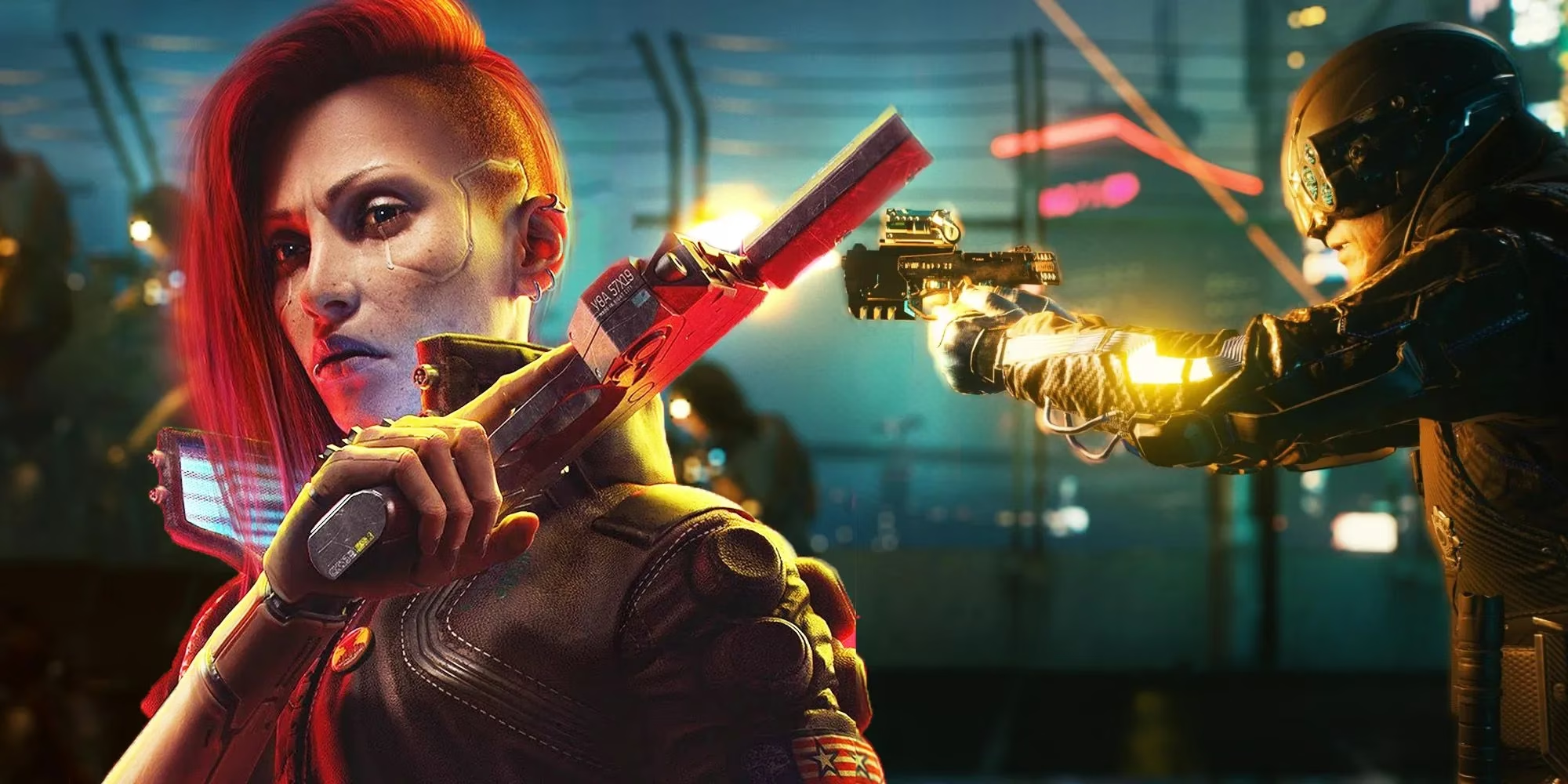
Every shot V fires, every swing of a katana, chunks away a piece of that bar. High-caliber rifles gulp stamina like a desert wanderer finding water; a simple pistol sips it politely. When the bar runs dry, accuracy plummets and V has to pause – no attacks, just a forced breather while enemies close in. Frustrating at first? You bet. But stick with it, and the combat transforms into something far more deliberate.
A Resource to Manage, Not a Nuisance to Ignore
Think about it this way: in most shooters, you can hold down the trigger until everything stops moving. Cyberpunk 2077’s stamina overhaul asks, “What if shooting was a decision?” Now every encounter becomes a puzzle of positioning and pacing. You can’t just waltz in with an overpowered smart gun and delete everyone. Well, you can try – but miss a few too many shots and suddenly you’re standing there, gasping, while a Maelstrom ganger rushes you.
Cover stops being optional. Movement timing becomes second nature. Pop out, fire two bursts, duck back to let stamina recover – the rhythm feels almost meditative once you settle in. Some players have even likened it to a certain punishing yet fair action-RPG series. Yep, that one with the bonfires. The cycle of attack, manage resources, retreat, and strike again echoes Dark Souls in the best way, minus the giant bosses (well, mostly).
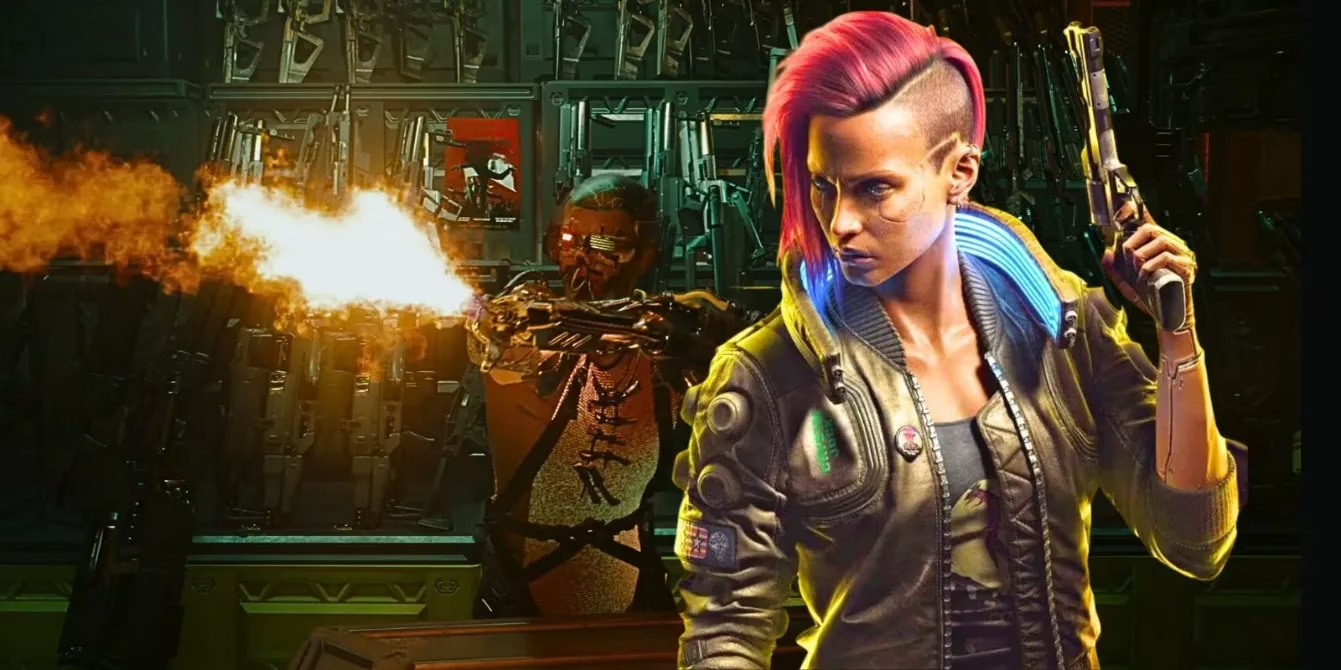
This isn't just a nerf to run-and-gun. It adds layers. Suddenly, weapon choice isn't just about DPS numbers – it’s about stamina economy. A heavy machine gun might hit like a truck, but can you afford the recovery time? A knife thrower’s build stays nimble because each blade costs less stamina than a shotgun blast. The game subtly pushes you to specialize, to think about your "stamina budget" like an edgerunner balancing eddies and chrome.
Bending the Rules with Perks
Here’s where the brilliance deepens. The 2.0 Perk tree doesn’t just make numbers bigger – it lets you renegotiate your relationship with stamina. Want to be a hip-firing maniac? Grab Spray and Pray and watch stamina costs drop for assault rifles and shotguns while you fire from the hip. Prefer patient, precision work? Unlock Focus Mode (tier two Focus Perk) and your first shots at full stamina cost nothing, turning snipers into devastating opening-move artists.
Melee builds get their own candy. Lead and Steel lightens the stamina load on blade attacks, while Bullet Time – paired with slowed time – makes deflecting bullets free. Even the heavy gunners aren't left out: Die! Die! Die! reduces recoil and cranks up fire rate when stamina runs low, rewarding sustained suppression. Suddenly that massive LMG becomes a tool for controlled chaos instead of a quick way to exhaustion.
Movement Perks tie it all together. Dash makes evasive dodges cheaper, so a nimble solo can practically dance around bullets. Shinobi Sprint reduces stamina drain while sprinting crouched, a blessing for stealth runners sliding from shadow to shadow. The whole tree reads like a customization menu for your personal combat groove – and finding your groove, that’s the heart of the experience.
Why It Still Feels Fresh in 2026
Years after the 2.0 update, new players picking up Cyberpunk 2077 for the first time often hit a wall. They expect a traditional shooter, unload a magazine, and then stand there frozen, confused. But once the lightbulb goes off – “Oh, I need to treat stamina like a resource, not a restriction” – everything clicks. Suddenly Night City’s chaotic gunfights feel like a heated conversation where every pause has meaning.
Walking out of a firefight without taking a single hit, knowing you timed every dodge and shot perfectly, carries a satisfaction that pure power fantasies rarely deliver. The system encourages adaptability. A netrunner might hack from cover while stamina recovers, then pop out with a silenced pistol for cleanup. A body-focused solo might chain heavy shotgun blasts with timed cover slides, never fully depleting the bar. There’s room for everyone, and the Perk system makes sure of it.
Compare this to the usual FPS standard: recoil grows until your gun points at the ceiling, and you just wait a beat before resuming fire. Boring. Predictable. Cyberpunk 2077 swapped mechanical inconvenience for a strategic heartbeat, and gave players the tools to shape that heartbeat themselves.
The 2.0 stamina system isn’t just a change – it’s a quiet manifesto for smarter game design. By moving resource management from legs to trigger finger, CD Projekt Red created a combat loop that rewards patience, planning, and personality. In 2026, playing through Dogtown or just cleaning up NCPD scanner hustles with this system still feels like dancing on the edge of a razor. And honestly? We wouldn’t have it any other way.